
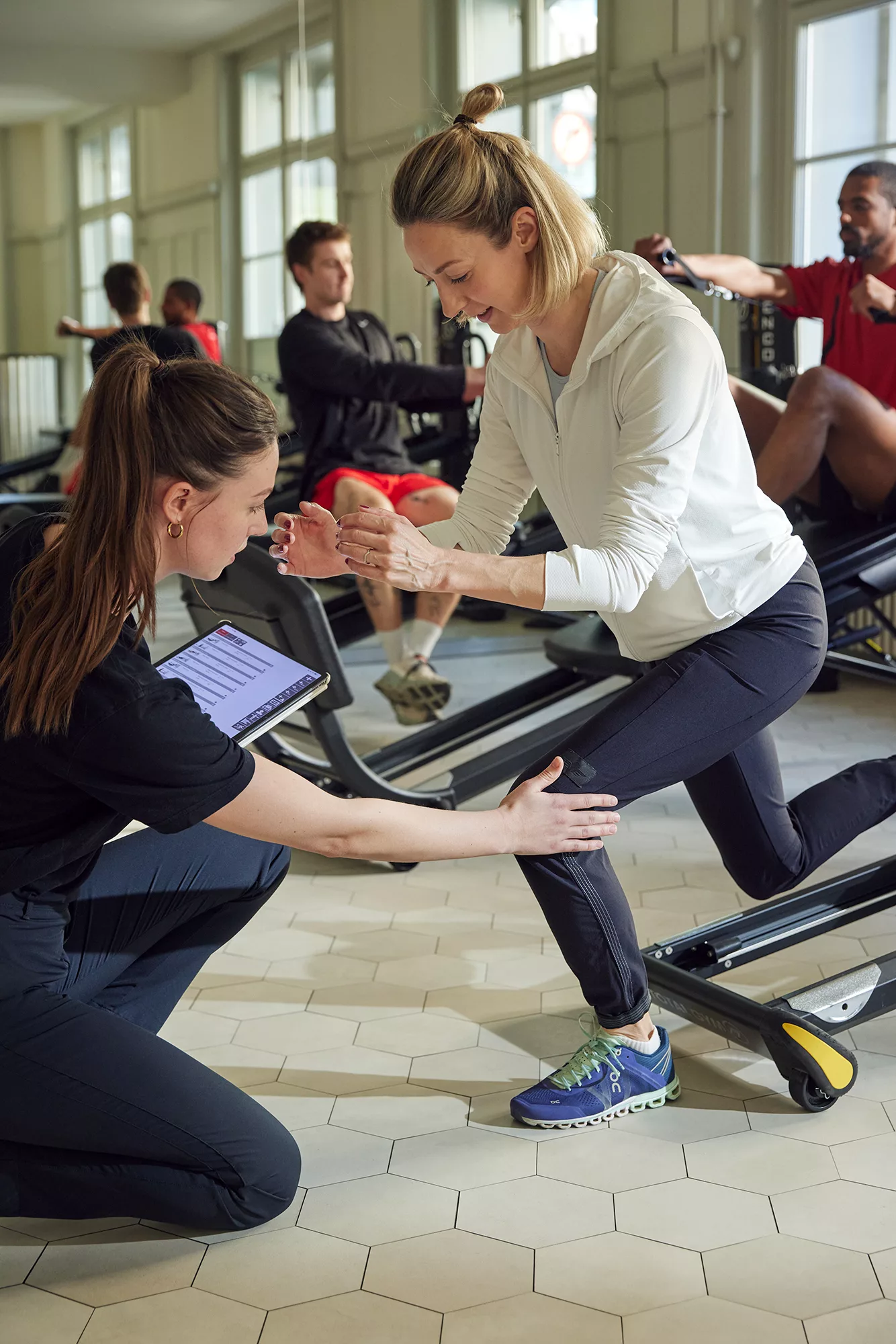
Anterior Cruciate Ligament (ACL) Tear: Surgery or Not, Rehabilitation and Return to Sport
Knee injury during sport: what matters now
Twisted while playing football, caught an edge while skiing or landed awkwardly after a jump, and suddenly your knee gives way: an injury like this is often a tear of the anterior cruciate ligament, known clinically as an ACL rupture. Many people immediately wonder whether they will need surgery. The good news: not every ACL tear needs an operation. Whatever the treatment, targeted rehabilitation is key to a good outcome. At PARAT in Basel, we support you from the first days after your injury through to a safe return to sport.
What does the anterior cruciate ligament do?
The anterior cruciate ligament (ACL) is one of the most important stabilising structures in the knee. Inside the joint, it connects the thigh bone to the shin bone and stops the shin bone from sliding forwards. This stabilises the knee during fast movements, changes of direction and landings. It also gives the nervous system feedback about the position of the joint, so it plays an important role in body awareness and in controlling knee movement.
How does an ACL tear happen?
An ACL tear usually happens without direct contact with another person. Typical triggers are sudden changes of direction, abrupt stopping, twisting with the foot planted, or landing after a jump. Sports such as football, handball, floorball, basketball, volleyball and skiing are particularly affected.
Women have a higher risk of ACL injury than men in the same sport. Other risk factors include a previous knee injury, increased joint mobility, excess body weight, muscular imbalances and reduced neuromuscular control, meaning less effective control of movement by the muscles and nervous system.
How do I know if I have torn my ACL?
The knee typically gives way suddenly, often with a “pop” you can hear or feel. Within a few hours, the knee usually swells considerably. Later, it often feels unstable, especially when twisting or changing direction.
Have an injury like this assessed promptly by a doctor or physiotherapist. A clinical examination usually shows whether the ACL is affected. An MRI is mainly useful for detecting associated injuries to the meniscus, cartilage or collateral ligaments.
Does an ACL tear need surgery?
Not necessarily. In a large randomised trial with young, active adults, structured rehabilitation, with the option of surgery later, achieved results comparable to immediate surgery. Many participants in the rehabilitation group never needed an operation (Frobell et al., 2010). A more recent study found slightly better scores after early surgery at two years, but the difference was small (Reijman et al., 2021).
There is also evidence that, under certain conditions, the ACL can heal. In a study using a special bracing protocol (the Cross Bracing Protocol), in which the knee is held in a bent position for the first few weeks, MRI showed signs of healing after three months in 90% of the 80 participants (Filbay et al., 2023). This approach is still new, is not suitable for everyone and must start very soon after the injury.
Surgery may be advisable if your knee repeatedly gives way in everyday life or during sport despite good rehabilitation, if there are associated injuries such as a locked meniscus, or if you want to return to a sport involving a lot of twisting and stopping. Treatment should always be chosen individually, based on your personal goals, the demands of your sport and the stability of your knee. This decision is best made together with your doctor and us.
How rehabilitation after an ACL tear works
With or without surgery, rehabilitation largely determines the outcome. We work in phases. You move on to the next phase once you have reached the goals of the current one, not according to a fixed timetable.
Phase 1 – Swelling and mobility: We reduce the swelling, restore full straightening and bending of the knee and activate the thigh muscles.
Phase 2 – Strength and control: Strength, balance and movement quality are built up step by step.
Phase 3 – Running and jumping: Running training follows, along with jumping and landing training.
Phase 4 – Return to sport: With sport-specific exercises and objective tests, we prepare you to return to training and competition.
Because physiotherapy and personal training are under one roof at PARAT, we support you seamlessly from the first phase of rehabilitation through to performance training.
How can I prevent an ACL tear (or another one)?
Prevention remains important even after rehabilitation is complete. Regular strength, balance and coordination training significantly reduces the risk of knee injuries: in studies, prevention programmes halved the risk of ACL injuries in athletes (Webster & Hewett, 2018). Short programmes built into the warm-up two to three times a week have proven effective, such as “FIFA 11+” in football. This kind of training also helps maintain your long-term performance.
Frequently asked questions about ACL tears
More Articles
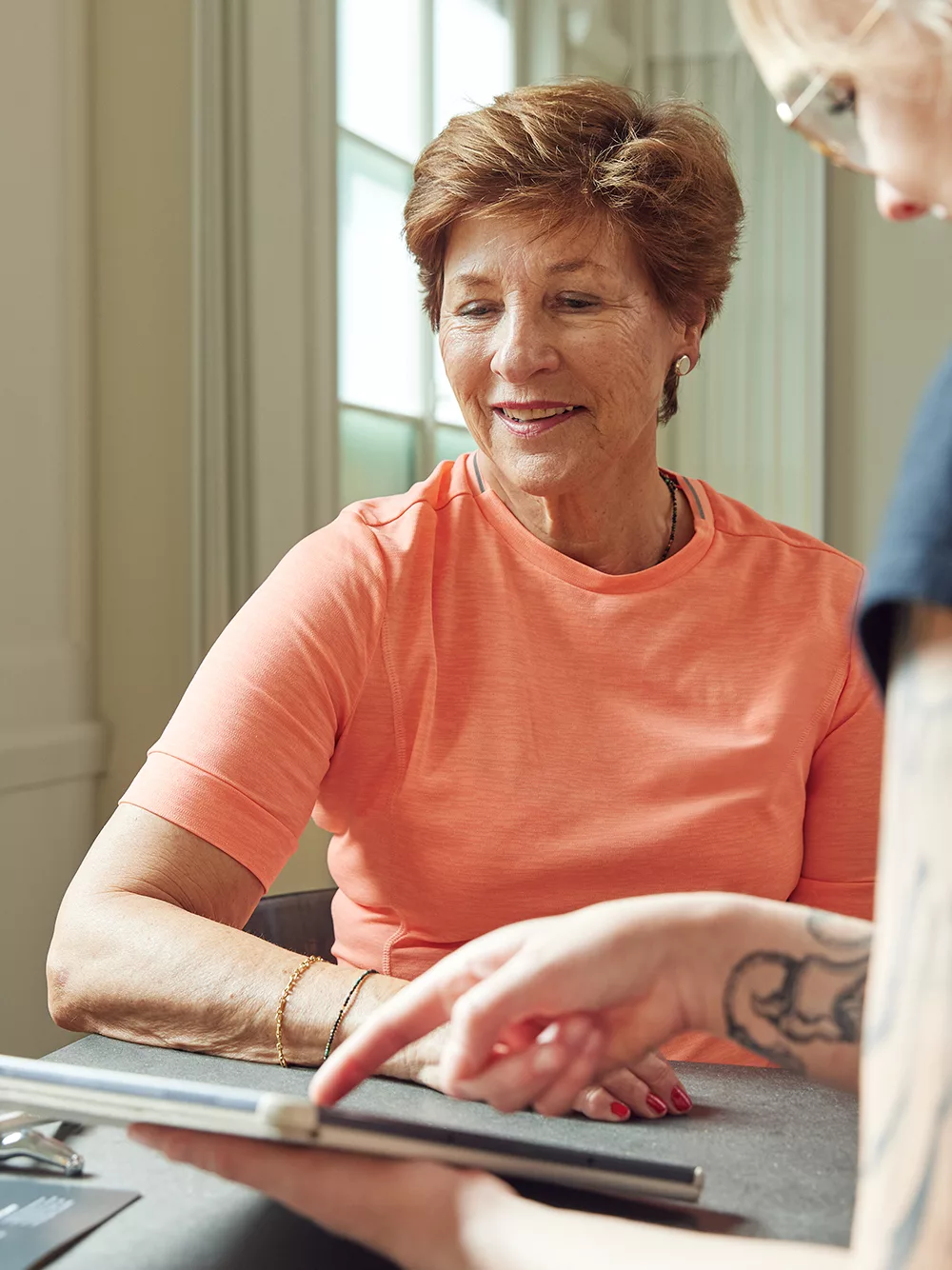
Exercise as the Key to Healthy Aging – We're Getting Older, Thank Goodness!
Aging is a natural process that involves various changes in the body. As early as one’s 30s and 40s, strength, flexibility, and stamina gradually decline, while recovery may take a little longer. Many people first notice this in their daily lives—for example, when climbing stairs, carrying groceries, or after unusual physical exertion. These changes are normal and affect everyone. However, their severity depends largely on one’s lifestyle.

Shoulder Pain When Lifting Your Arm: Understanding and Treating Rotator Cuff–Related Shoulder Pain (RCRSP)
Does your shoulder hurt when you lift your arm to the side or above your head? Do you wake up at night because you are lying on the affected side? This is often rotator cuff–related shoulder pain, known clinically as RCRSP and previously usually called impingement syndrome. The good news: most people regain full use of their shoulder without surgery. At our physiotherapy practice in Basel, we treat shoulder pain actively, individually and based on current research.
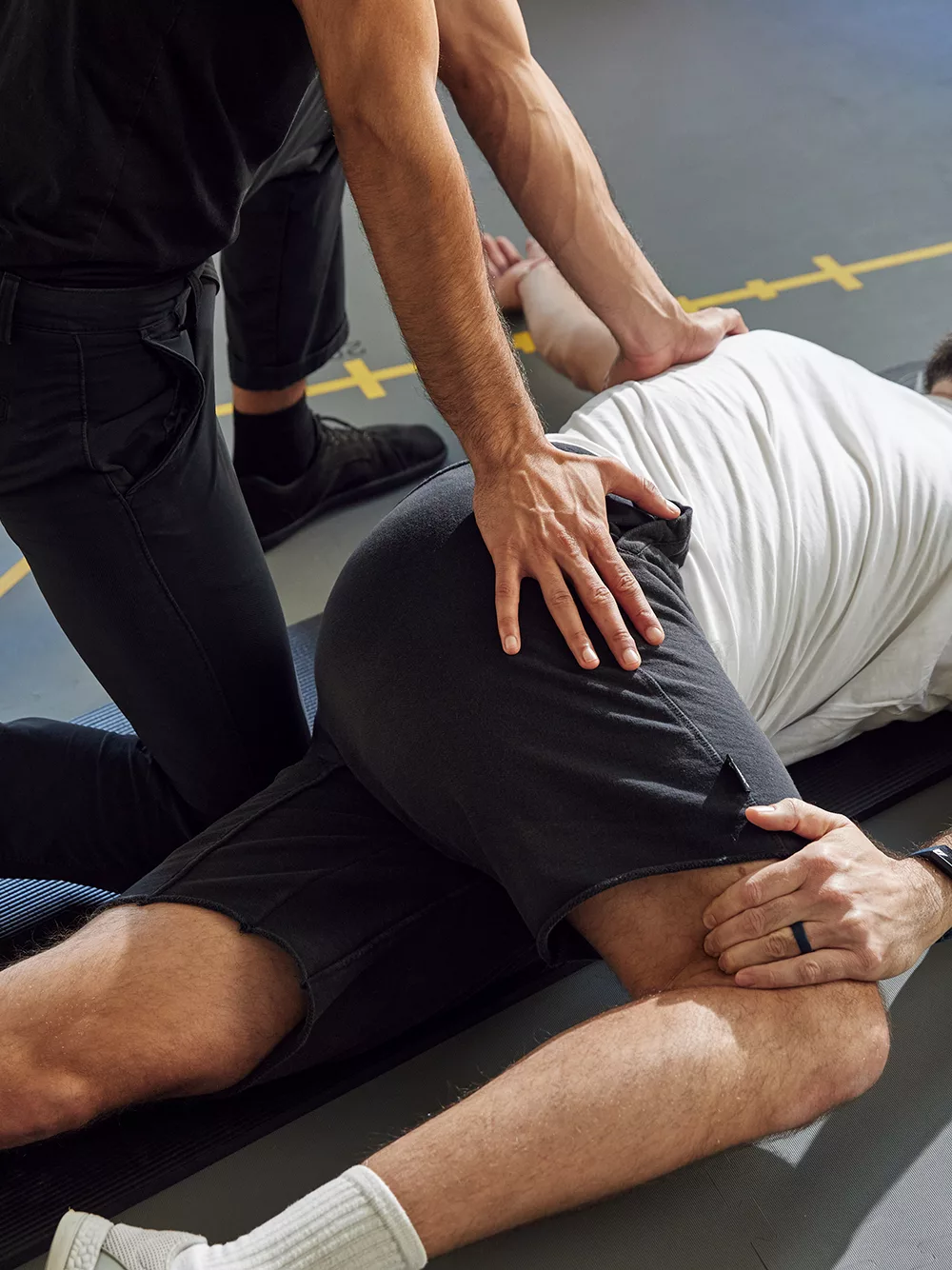
Recovery: Train Better Through Proper Rest
Recovery describes the time our body needs to recover from physical strain and stress. Whether you work out, sit for long periods, face high mental demands, or enjoy recreational activities: our bodies need structured breaks to remain healthy, resilient, and capable of performing well. After physical exertion, the body usually needs 24 to 48 hours to recover fully. Pauses that are too short can lead to fatigue, muscle tension, or decreased performance. Pauses that are too long, on the other hand, may cause positive training adaptations—such as gains in strength or endurance—to diminish. In strength training, a trained muscle group should generally have at least 48 hours of rest. In endurance training, recovery time is often shorter and typically ranges from 24 to 48 hours, depending on the intensity. Active recovery is particularly beneficial. This includes light movement at around 30–60% of maximum heart rate, such as walking, easy cycling, relaxed swimming, gentle stretching, or light foam rolling. These activities stimulate blood circulation, help remove metabolic by-products, and relax the muscles without placing additional strain on the body. Another key component for faster and more effective recovery is our professional massage services. They can relieve muscle tension, improve blood circulation, and thus support the body’s recovery processes after a workout or during therapy. Whether as part of a treatment plan, after an intense session, or simply for relaxation—our massages can be easily booked as an add-on. Nutrition and hydration also play an important role in recovery. Adults should drink about 1.5–2 liters of water per day. After heavy sweating, lost fluids should be replaced with an additional 1.25–1.5 liters per kilogram of body weight lost. Proteins are essential for the body’s repair processes. A daily intake of about 1.2–1.7 g of protein per kilogram of body weight is enough for most people. People who are more physically active may need a little more. Carbohydrates provide energy and help refill the body’s energy stores after exercise. Another key factor in recovery is sleep. During the night, the body releases growth hormones, repairs cells, removes metabolic waste products, and restores. Most adults benefit from 7–9 hours of sleep per night to feel rested and perform well. Recovery is more than just resting. It is an important part of training and helps your body improve and stay strong.
Book an appointment online
We are available Monday to Friday from 7:00 – 21:00.
Tip: Book in advance for off-peak times.