
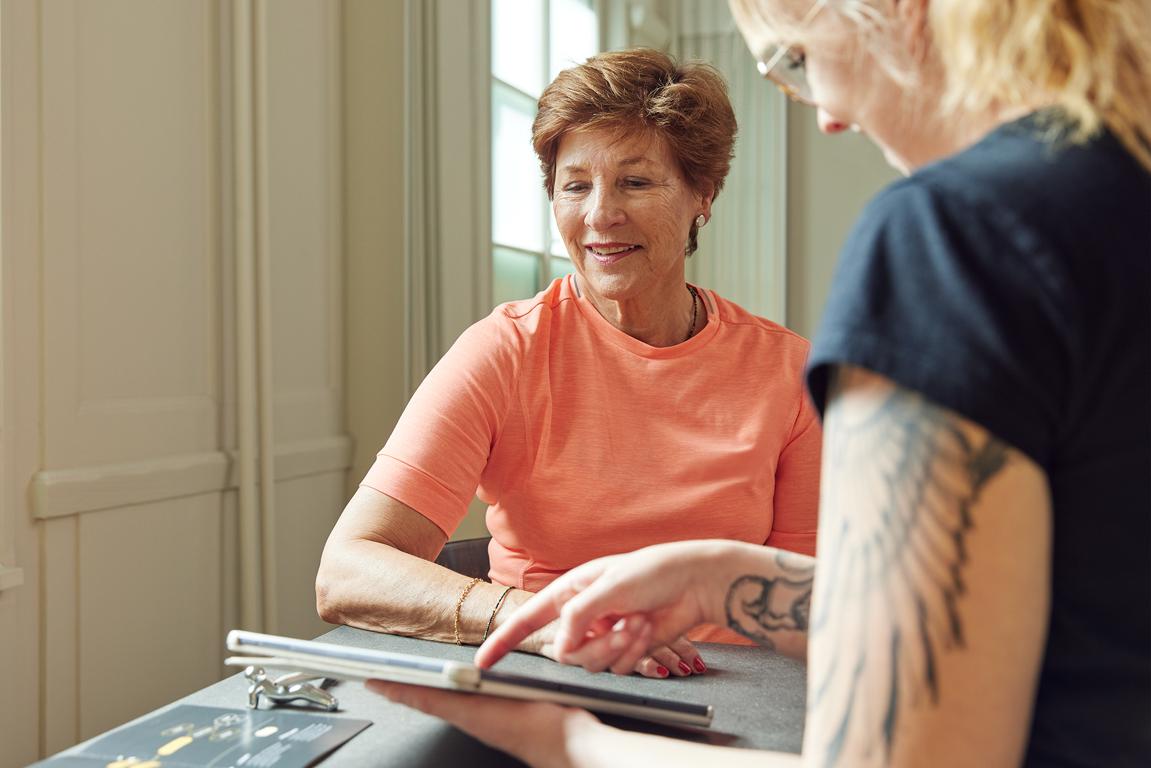
We're getting older—thank goodness!
Getting older is a part of life
Aging is a natural process that involves various changes in the body. As early as one’s 30s and 40s, strength, flexibility, and stamina gradually decline, while recovery may take a little longer. Many people first notice this in their daily lives—for example, when climbing stairs, carrying groceries, or after unusual physical exertion. These changes are normal and affect everyone. However, their severity depends largely on one’s lifestyle.
Exercise Makes All the Difference
The good news: Regular exercise can have a positive impact on many of these changes. As we age, our muscles, joints, and bones gradually lose their strength and function. Muscle strength declines, recovery often takes longer, and joints can become more susceptible to wear and tear. However, regular physical activity can slow down many of these processes. Even regular walks, everyday movement, and targeted strength and endurance training can help maintain quality of life, mobility, and independence well into old age.
How to Age Healthily
The most important measure for healthy aging is therefore physical activity. The recommendation is 150 to 300 minutes of moderate-intensity endurance activity or 75 to 150 minutes of vigorous-intensity exercise per week, as well as at least two strength training sessions. The combination of strength and endurance training has been shown to slow or prevent muscle loss, loss of strength, and limitations in mobility. For people aged 65 and older, the World Health Organization (WHO) additionally recommends at least three sessions per week of proprioception and balance training—or a multi-component workout focusing on balance and strength—to reduce the risk of falls and maintain mobility and independence.
Aging cannot be prevented, but its effects on the body can be positively influenced. Those who remain physically active on a regular basis, ensure adequate recovery, and challenge their bodies create the best conditions for health, quality of life, and independence in old age.
Fragen zum Älter werden
More Articles
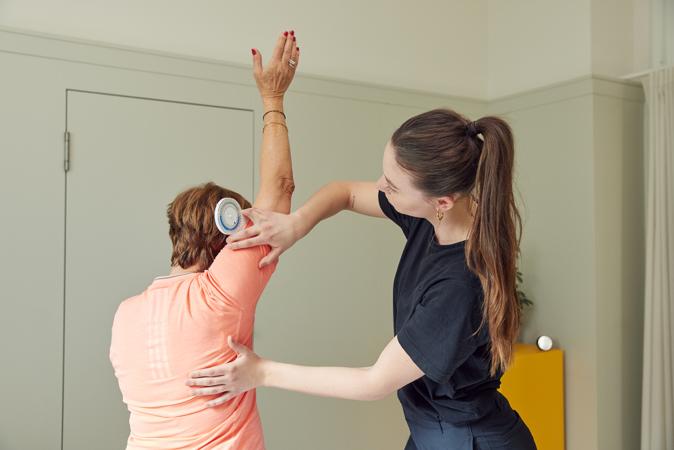
Understanding and Treating Rotator Cuff–Related Shoulder Pain (RCRSP)
RCRSP (Rotator Cuff–Related Shoulder Pain) describes shoulder pain that usually comes from the rotator cuff. Typical symptoms include pain and a feeling of weakness when lifting the arm or during external rotation, even though overall shoulder mobility often remains good. Imaging tests such as MRI or ultrasound are rarely enough to make the diagnosis on their own, because tendon changes are also common in people without symptoms. For this reason, a detailed medical history, a clinical examination, and the exclusion of other possible causes are essential. These may include involvement of the cervical spine, shoulder instability, or frozen shoulder.
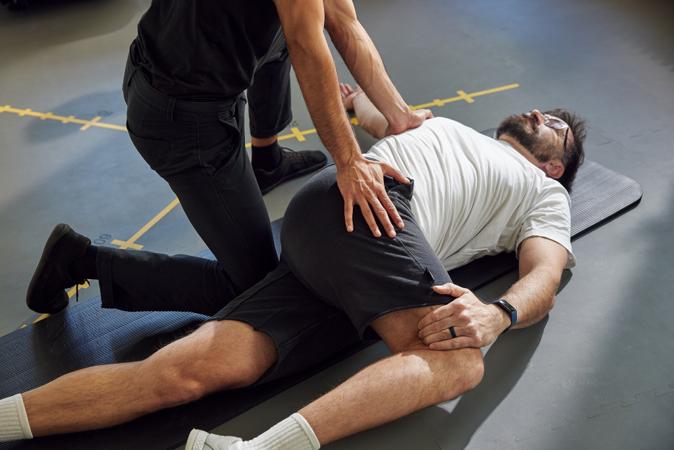
Recovery
Recovery describes the time our body needs to recover from physical strain and stress. Whether you work out, sit for long periods, face high mental demands, or enjoy recreational activities: our bodies need structured breaks to remain healthy, resilient, and capable of performing well. After physical exertion, the body usually needs 24 to 48 hours to recover fully. Pauses that are too short can lead to fatigue, muscle tension, or decreased performance. Pauses that are too long, on the other hand, may cause positive training adaptations—such as gains in strength or endurance—to diminish. In strength training, a trained muscle group should generally have at least 48 hours of rest. In endurance training, recovery time is often shorter and typically ranges from 24 to 48 hours, depending on the intensity. Active recovery is particularly beneficial. This includes light movement at around 30–60% of maximum heart rate, such as walking, easy cycling, relaxed swimming, gentle stretching, or light foam rolling. These activities stimulate blood circulation, help remove metabolic by-products, and relax the muscles without placing additional strain on the body. Another key component for faster and more effective recovery is our professional massage services. They can relieve muscle tension, improve blood circulation, and thus support the body’s recovery processes after a workout or during therapy. Whether as part of a treatment plan, after an intense session, or simply for relaxation—our massages can be easily booked as an add-on. Nutrition and hydration also play an important role in recovery. Adults should drink about 1.5–2 liters of water per day. After heavy sweating, lost fluids should be replaced with an additional 1.25–1.5 liters per kilogram of body weight lost. Proteins are essential for the body’s repair processes. A daily intake of about 1.2–1.7 g of protein per kilogram of body weight is enough for most people. People who are more physically active may need a little more. Carbohydrates provide energy and help refill the body’s energy stores after exercise. Another key factor in recovery is sleep. During the night, the body releases growth hormones, repairs cells, removes metabolic waste products, and restores. Most adults benefit from 7–9 hours of sleep per night to feel rested and perform well. Recovery is more than just resting. It is an important part of training and helps your body improve and stay strong.
Book an appointment online
We are available Monday to Friday from 7:00 – 21:00.
Tip: Book in advance for off-peak times.